
bed head unit design
Enhancing Patient Care through Innovative Hospital Bed Head Units
Enhancing Patient Care through Innovative Hospital Bed Head Units
Hospital environments are constantly evolving to meet the diverse and complex needs of patient care. Central to this evolution are the headboards of Enhancing Patient Care through Innovative Hospital Bed Head Units, which have become more than mere fixtures; they are now pivotal in enhancing patient care through their design, integrated technology, and specialization. Let’s explore how these elements are shaping patient experiences and clinical outcomes.
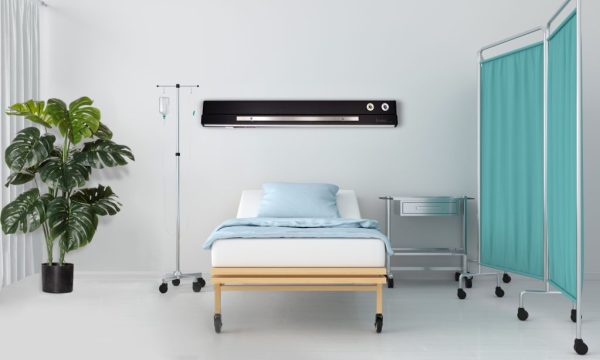
Ergonomic Design: A Keystone of Patient and Caregiver Interaction
The design of hospital bed headboards is not just about aesthetics; it’s about ergonomics and functionality. A well-designed headboard allows for effortless interaction between the patient and healthcare providers. It facilitates the ease of access to medical equipment and controls, minimizing strain and enhancing efficiency during patient care. For instance, ergonomic headboards are designed to accommodate the various positions a patient might require, adjusting easily to sitting or lying down with integrated controls within arm’s reach.
But ergonomics also plays a crucial role in caregiver health. Nurses and doctors often work long hours and are engaged in physically demanding tasks. The strategic placement of outlets, ports, and controls on headboards can significantly reduce the need for unnecessary bending or stretching, thereby reducing the risk of work-related injuries.
Integrated Technology: The Lifeline of Modern Medical Care
In the age of digital health, the integration of technology into hospital bed headboards is a game-changer. Modern headboards are equipped with built-in electrical outlets, USB ports, and gas terminals for medical air and vacuum, which are essential for the operation of life-saving devices. They also house the controls for electronic medical records (EMRs) and telemetry, allowing for seamless monitoring and data collection.
This integration is crucial in acute care settings where time and accuracy are of the essence. By having all necessary technological functions centralized, healthcare providers can respond more swiftly and effectively to patient needs, which can significantly improve outcomes.
Moreover, the integration of technology facilitates telemedicine capabilities, allowing for remote consultations, which have become increasingly important in managing patient care during times of high demand or infectious disease outbreaks.
The case
Specialization for Medical Departments: Meeting the Unique Needs of Each Patient
Different medical departments have different needs, and the headboards of hospital beds reflect this diversity. In the intensive care unit (ICU), for example, headboards are often more complex, featuring a multitude of ports and monitoring equipment to cater to critically ill patients. In contrast, in a maternity ward, the headboard might be simplified for ease of use and may include softer lighting and fewer medical gas outlets.
Pediatric headboards may feature a friendly design with cheerful colors to create a calming environment for young patients. Additionally, they may have safety features like tamper-proof outlets and controls to prevent accidental misuse.
Customization for patient needs is crucial. For bariatric patients, headboards must be robust and include extra support features, while for long-term care patients, they might prioritize comfort and accessibility for different therapies and treatments.
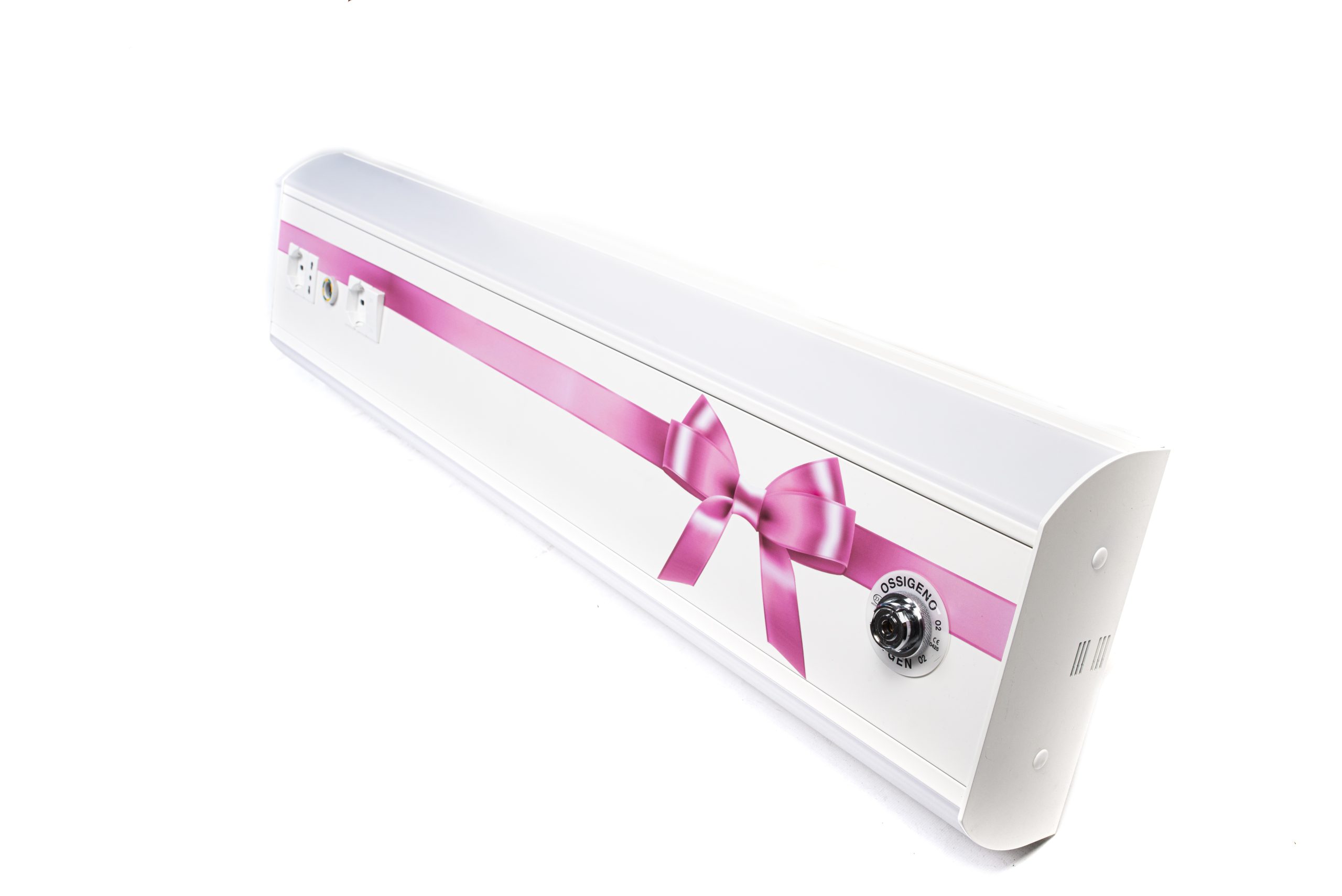
Conclusion: The Heart of Hospital Innovation
Hospital bed headboards have transcended their traditional role and have become central to the delivery of personalized, efficient, and technologically integrated patient care. With thoughtful ergonomic design, state-of-the-art technology integration, and specialized customization for various medical fields, they are at the heart of hospital innovation — transforming how caregivers interact with patients and enhancing the healing environment.
As healthcare continues to advance, the evolution of hospital bed headboards will undoubtedly play a key role in shaping the future of patient care, making it safer, more efficient, and more responsive to the unique needs of each patient.
Fire incidents in Bed Head Units: causes and recommendations for prevention
Fire incidents in Testaletto Beams: causes and recommendations for prevention
Disasters that lead to mass destruction often bring to the fore the inadequacies of systems, infrastructure, and people. In the health care setting, these imperfections are particularly apparent during fire disasters. This case describes a real Fire incidents in bed head units incident that broke out in a header beam panel of an emergency room and describes the real challenges encountered by emergency personnel to preserve both lives and property. The bed head units beams include both electrical and medical gases-a fairly common structural component in modern hospitals. Precautionary measures should be implemented to mitigate such accidents and special care should be taken during the design and installation of header panels. Better coordination, planned training, and fire drills can improve overall outcomes and minimize the possibility of these potentially fatal problems, thus making the health care environment safer for every caregiver and patient.
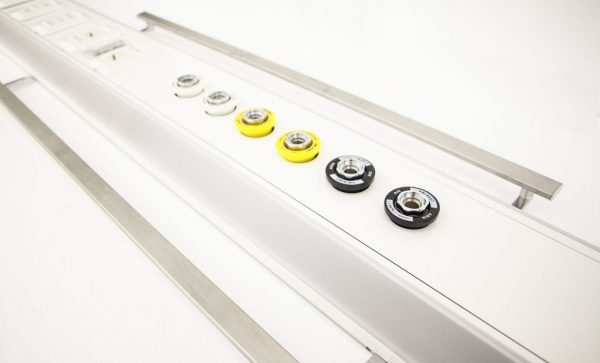
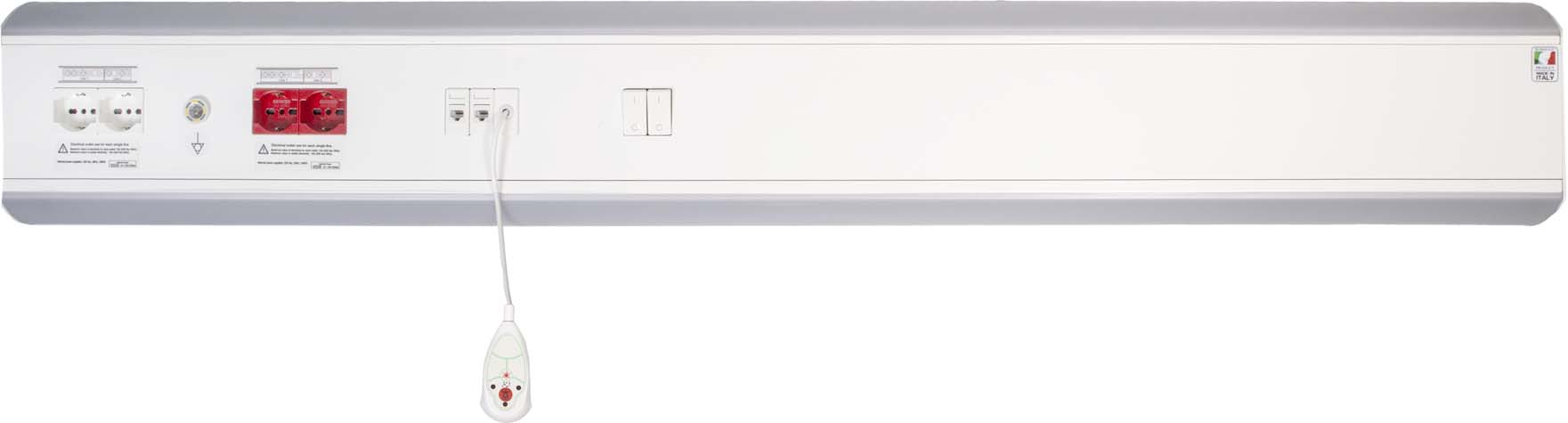
In health care, most fires have originated from electricity-related causes, particularly along the side of Fire incidents in Bed Head Units in patient care areas, as these areas are characterized by high oxygen density, complex equipment, the presence of a network of cables, and the abundant use of highly flammable chemicals and hand sanitizers. Typically, a bedhead panel consists of modular sections (usually 4 to 14 numbers) for power supply to monitors, ventilators, and defibrillators, as well as points for lighting, communication, and gas, liquid, and anesthetic evacuation systems. Although these testaletto units operate reliably and safely, it is not possible to completely rule out leaks from the outlets of these gases. Likewise, there is always the possibility of sparks or short circuits in electrical devices or outlets due to faulty equipment or sudden malfunction of work equipment. Thus, the availability of an oxygen-rich environment, the complexity of equipment and highly flammable materials can easily turn a relatively harmless spark into a flame and rapid ignition of materials.
This case study aims to assess the root cause of a reported fire incident in one of the headboard panels in the Advanced Trauma Center (ATC) of one of the tertiary hospitals in northern India.
The case
On March 23, 2021, at 3:12 p.m., a fire broke out on the second level of the ATC when nursing staff noticed a flame in one of the headboard panels, and within minutes the entire area was filled with smoke. A code red was immediately alerted and the fire hall was contacted on dedicated lines. At the time of the incident, there were 68 critical/sick patients in the affected area, and with the help of nursing and security personnel, all patients were immediately evacuated to the safe/collection areas. Fire safety personnel extinguished the fire. The medical gas supply and power supply to the area were disconnected as a safety measure.
After thorough inspection and maintenance and after obtaining clearance from the institute’s electrical, biomedical, and collector departments, all services were restored. No casualties were reported. No major loss of property was reported. At first glance, after a thorough inspection and input from all parties involved, it was determined that the fire may have occurred due to a spark at one of the electrical points in the panel, which triggered the ignition of lint already deposited at the extraordinary point and was augmented by the loss of oxygen from the oxygen outlet in the headboard panel of the bed itself.
Conclusions
Following detailed deliberations and investigations, it was stressed that regular cleaning and scheduled maintenance of these panels are some of the key factors in mitigating such accidents. In addition, measures will have to be studied to have panels with separate electrical units and collectors. Therefore, special attention should be paid to the design and installation of electrical services and manifolds, strictly complying with building codes and other technical regulations. Regular maintenance and scheduled services are a key link in mitigating any fire risk from failures of electrical circuits and medical gas services.
Therefore, it is well understood that although the risks associated with bedhead panels cannot be completely eliminated, it is advisable to adapt/implement optimal fire prevention measures in the design phase itself and comply with prevailing fire codes. In addition to this, established strategies and regular drills are essential to ensure that personnel are fully aware of the actions to be taken in any hazardous situation. It is well established that regardless of any disaster situation, natural or otherwise, internal or external, health care professionals must always assume unique responsibilities for the safety of humanity.
J Family Med Prim Care. 2022 Jan; 11(1): 360–362.

Published online 2022 Jan 31. doi: 10.4103/jfmpc.jfmpc_1269_21
Fire incidents in Bed-head panels: Causes and recommendations for prevention
Author information Article notes Copyright and License information Disclaimer