
Medical gases
Breathing New Life: Innovations and Humanity in Respiratory Care
Breathing New Life Innovations and Humanity in Respiratory Care
Respiratory care has always been a vital component of modern medicine, but recent years have brought it into the limelight, demanding rapid advancements in technology and a renewed focus on the human touch in patient care. Breathing New Life: Innovations and Humanity in Respiratory Care, From smart ventilators to the courageous work of respiratory therapists, the field is experiencing a renaissance that is reshaping the future of patient support. Let’s delve into these transformative changes.

Technological Advancements in Respiratory Care
In the wake of the pandemic, Breathing New Life: Innovations and Humanity in Respiratory Care units (RCUs) have seen an influx of new technologies designed to offer more precise and adaptable support for patients. Smart ventilators now come equipped with sensors that provide real-time feedback on a patient’s breathing and can adjust oxygen levels, pressure, and humidity in response to the patient’s needs. These ventilators are increasingly integrated with electronic medical records (EMRs), enabling a seamless flow of data that keeps the entire care team informed.
Artificial intelligence (AI) is another frontier in respiratory care. Algorithms can now analyze vast amounts of respiratory data to predict patient trends, offering critical insights that can preempt complications before they become emergencies. This proactive approach to respiratory care is setting a new standard in patient monitoring and intervention.
The Human Side of Respiratory Care: More Than Just Machines
While technology continues to evolve, the heart of respiratory care remains the compassion and skill of the healthcare professionals who operate these machines. Respiratory therapists are the unsung heroes of RCUs, providing not only technical expertise but also emotional support to patients struggling to breathe.
These professionals work tirelessly, often forming close bonds with their patients during the recovery process. Their role extends beyond the manipulation of dials and monitors; they are educators, advocates, and confidants to those in their care. The human connection they offer can be just as healing as the oxygen delivered through a tube.
Pushing the Boundaries: Innovation in Respiratory Support Equipment
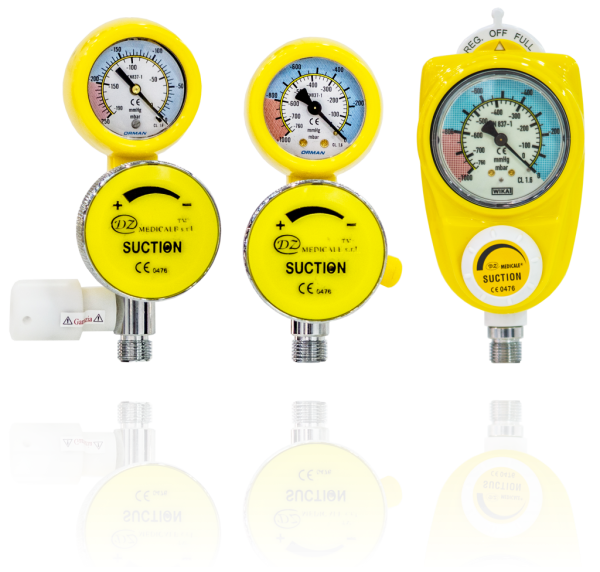
The future of Breathing New Life Innovations and Humanity in Respiratory Caresupport is bright with innovative equipment designed to improve patient outcomes and quality of life. Portable respiratory support systems are revolutionizing home care, allowing patients to enjoy more mobility and a better quality of life outside the hospital setting. These devices are getting smaller, more efficient, and more user-friendly, enabling a seamless transition from intensive care to home recovery.
Wearable technology is another exciting development. Imagine smart patches that monitor respiratory function and alert patients and caregivers to changes that may require attention. Such devices could offer a new level of freedom for patients with chronic respiratory conditions, ensuring that they are only a step away from help if their condition worsens.
Conclusion: A Future Focused on Care and Innovation
As we look to the future, the landscape of respiratory care is one of hope and progress. The integration of advanced technologies with the irreplaceable human element is paving the way for a more responsive and compassionate approach to respiratory challenges. Innovations in respiratory support equipment are promising a future where respiratory care is more accessible, less intrusive, and more attuned to the needs of patients.equipment are promising a future where respiratory care is more accessible, less intrusive, and more attuned to the needs of patients.
In the world of respiratory care, the breath of innovation is as vital as the air we breathe. It’s a field where technology meets humanity, and together, they are setting the stage for a future where every breath is supported by the best of both.
Enhancing Patient Care through Innovative Hospital Bed Head Units
Enhancing Patient Care through Innovative Hospital Bed Head Units
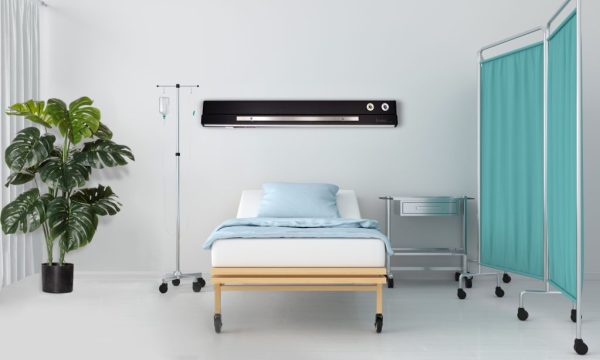
Hospital environments are constantly evolving to meet the diverse and complex needs of patient care. Central to this evolution are the headboards of Enhancing Patient Care through Innovative Hospital Bed Head Units, which have become more than mere fixtures; they are now pivotal in enhancing patient care through their design, integrated technology, and specialization. Let’s explore how these elements are shaping patient experiences and clinical outcomes.
Ergonomic Design: A Keystone of Patient and Caregiver Interaction
The design of hospital bed headboards is not just about aesthetics; it’s about ergonomics and functionality. A well-designed headboard allows for effortless interaction between the patient and healthcare providers. It facilitates the ease of access to medical equipment and controls, minimizing strain and enhancing efficiency during patient care. For instance, ergonomic headboards are designed to accommodate the various positions a patient might require, adjusting easily to sitting or lying down with integrated controls within arm’s reach.
But ergonomics also plays a crucial role in caregiver health. Nurses and doctors often work long hours and are engaged in physically demanding tasks. The strategic placement of outlets, ports, and controls on headboards can significantly reduce the need for unnecessary bending or stretching, thereby reducing the risk of work-related injuries.
Integrated Technology: The Lifeline of Modern Medical Care
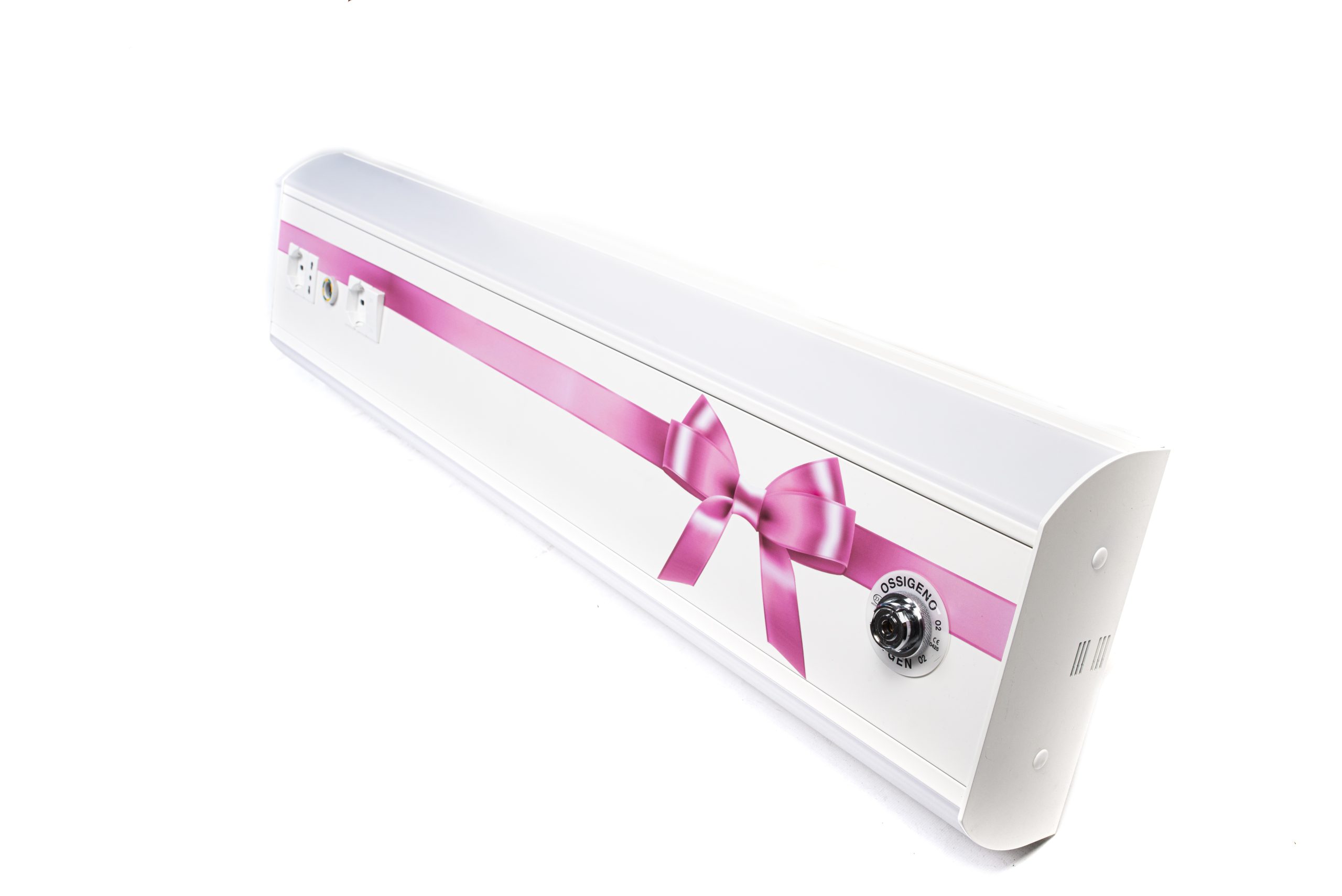
In the age of digital health, the integration of technology into hospital bed headboards is a game-changer. Modern headboards are equipped with built-in electrical outlets, USB ports, and gas terminals for medical air and vacuum, which are essential for the operation of life-saving devices. They also house the controls for electronic medical records (EMRs) and telemetry, allowing for seamless monitoring and data collection.
This integration is crucial in acute care settings where time and accuracy are of the essence. By having all necessary technological functions centralized, healthcare providers can respond more swiftly and effectively to patient needs, which can significantly improve outcomes.
Moreover, the integration of technology facilitates telemedicine capabilities, allowing for remote consultations, which have become increasingly important in managing patient care during times of high demand or infectious disease outbreaks.
The case
Specialization for Medical Departments: Meeting the Unique Needs of Each Patient
Different medical departments have different needs, and the headboards of hospital beds reflect this diversity. In the intensive care unit (ICU), for example, headboards are often more complex, featuring a multitude of ports and monitoring equipment to cater to critically ill patients. In contrast, in a maternity ward, the headboard might be simplified for ease of use and may include softer lighting and fewer medical gas outlets.
Pediatric headboards may feature a friendly design with cheerful colors to create a calming environment for young patients. Additionally, they may have safety features like tamper-proof outlets and controls to prevent accidental misuse.
Customization for patient needs is crucial. For bariatric patients, headboards must be robust and include extra support features, while for long-term care patients, they might prioritize comfort and accessibility for different therapies and treatments.
Conclusion: The Heart of Hospital Innovation
Hospital bed headboards have transcended their traditional role and have become central to the delivery of personalized, efficient, and technologically integrated patient care. With thoughtful ergonomic design, state-of-the-art technology integration, and specialized customization for various medical fields, they are at the heart of hospital innovation — transforming how caregivers interact with patients and enhancing the healing environment.
As healthcare continues to advance, the evolution of hospital bed headboards will undoubtedly play a key role in shaping the future of patient care, making it safer, more efficient, and more responsive to the unique needs of each patient.
Maintenance and calibration of medical oxygen flowmeters: Ensuring accuracy in patient care
When it comes to the medical field, precision and accuracy are not only ideal, they are mandatory. One of the crucial devices requiring such accuracy is the medical oxygen flowmeter. Its role in ensuring that the right amount of oxygen reaches the patient is critical. However, like all equipment, its efficiency and accuracy can be compromised over time if it is not maintained and calibrated regularly. Here is an in-depth look at the importance of maintenance and calibration of these devices.
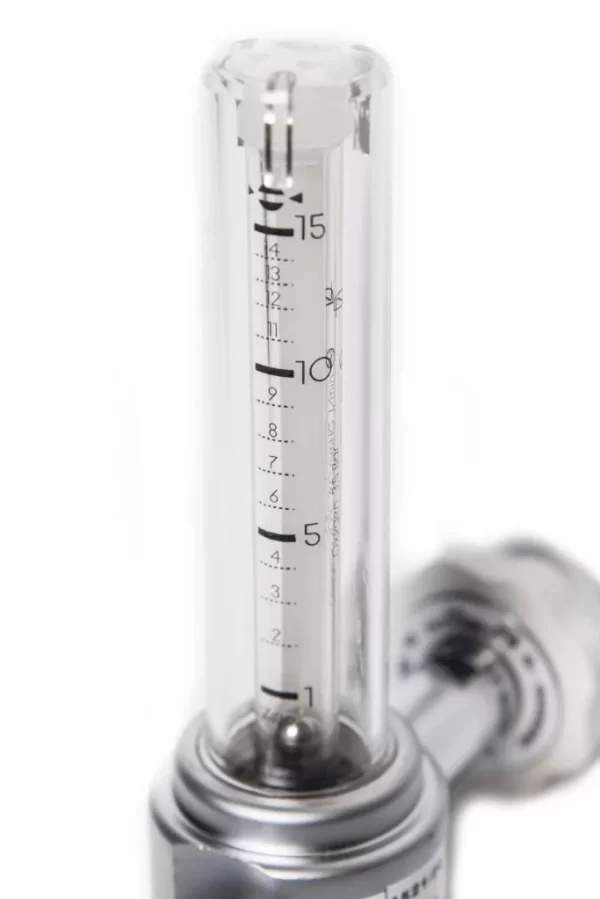
1. The basics of medical oxygen flowmeters: Medical oxygen flowmeters are devices used to measure and control the flow of medical oxygen from a source to the patient. They ensure that patients receive the appropriate amount of oxygen, whether they are in an intensive care unit, undergoing surgery or being treated for respiratory conditions.
2. Why is calibration important? Calibration ensures an accurate flowmeter reading. Over time, due to wear and tear, flow meters may begin to show inaccurate readings. Even a slight inaccuracy can result in patients receiving too much or too little oxygen, with detrimental effects on their health. Regular calibration ensures that flowmeter readings correspond to actual oxygen flow.
3. Maintenance is equally crucial: While calibration ensures accuracy, regular maintenance ensures longevity and reliability. Dust, dirt or any other form of obstruction can affect the performance of the flow meter. Regular cleaning, inspection for damage, and immediate replacement of worn parts can prevent sudden malfunction.
4. How often should calibration and maintenance be carried out?
The frequency of calibration and maintenance depends largely on the manufacturer’s guidelines and level of use.
However, as a general rule:
-Flowmeters in high-use environments, such as intensive care units, should be calibrated every six months.
-Those in less demanding environments can be calibrated annually.
-Visual inspections and basic maintenance activities should be performed monthly.
5. Professional calibration services: While some health care facilities may have the equipment and expertise to calibrate their devices, many choose to rely on professional calibration services. These services have specialized equipment and trained professionals to ensure that calibration is performed accurately.
6. The bottom line: NThe role of a medical oxygen flowmeter is undeniably vital to patient care. Although they are designed for durability and accuracy, regular checks, maintenance, and calibration are non-negotiable activities. By ensuring that these devices are in excellent condition, health care providers can provide the best care for their patients, ensuring their safety and well-being.
Accuracy of medical oxygen flowmeters: a multicenter field study
Accuracy of Medical Flowmeters: A multicenter field study
The accuracy of 476 accuracy of medical oxygen flowmeters was analyzed using a thermal mass flowmeter in eight hospitals in France and Belgium. Different oxygen flow rates (2 to 15 l/min) at the patient’s bedside were evaluated. Considering the sample as a whole, the accuracy of the flow delivered was acceptable, but the accuracy was poor. Variability in delivered flow between devices was greatest when low flow was required. Pressure-compensated oxygen flowmeters for these low flow rates have been found to be more accurate than their uncompensated counterparts. This study emphasizes the need to individually adjust the oxygen flow rate each time the patient needs to switch from one flowmeter to another.
In Europe, the accuracy of flow measurement devices to be connected to medical gas wall distribution systems is regulated by ISO 15002 standards. According to this standard, the oxygen flow rate should not deviate from the nominal value by more than 0.5 l/min when the flow rate is less than 5 l/min, and by more than 10% above this threshold. The conditions under which the flow rate is to be evaluated are well standardized: temperature of 23°C (± 2°C) and atmospheric pressure of 1013 hPa.
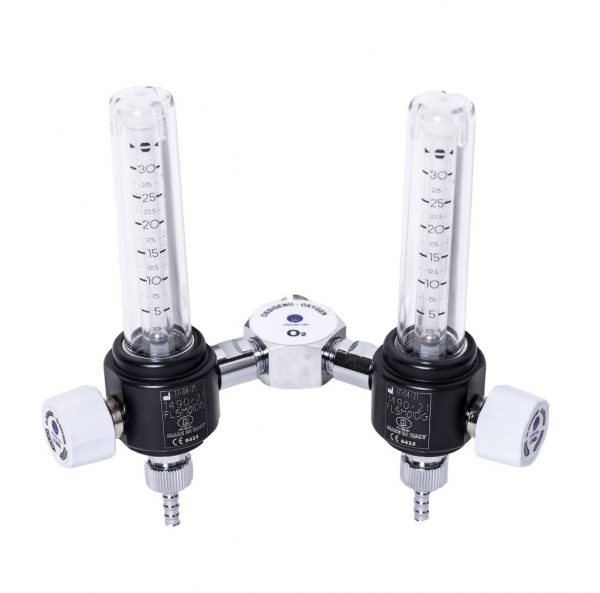
Accuracy of medical oxygen flowmeters is commonly administered in the care of both chronic and acute patients. In 2008, 18% of hospitalized patients in Britain received oxygen on a daily basis [1] . The appropriate oxygen flow rate varies widely from one situation to another. Patients with severely impaired blood-gas exchange may require a high inspiratory oxygen concentration. In these situations, a nonrebreather mask (or reservoir mask) is typically used, requiring an oxygen flow of up to 12-15 l/min [2] . For other patients, an oxygen flow of 2 to 10 l/min, via nasal puncture or simple mask, is generally sufficient to ensure adequate oxygenation [2] . However, oxygen therapy can be deleterious. Its concomitant use with bleomycin [3] or paraquat (1,1 dimethyl 4,4′ bipyridyl) can cause irreversible pulmonary fibrosis leading to death [4] . High inspiratory oxygen fractions are associated with retrolental fibroplasia in premature infants [5] or oxygen denitrogenation atelectasis [6] . Recently, some authors have also shown that hyperoxia could induce potentially harmful cerebral and myocardial vasoconstriction in ischemic diseases [7] .A reasonable goal for oxygen therapy is therefore to achieve hemoglobin saturation (SpO2) between 94 and 98% [2] .
It is estimated that 2000-4000 deaths could be prevented each year in Britain if the oxygen flow rate were more appropriate [1] . Therefore, the accuracy of the oxygen flow delivery system is important.
The Firm
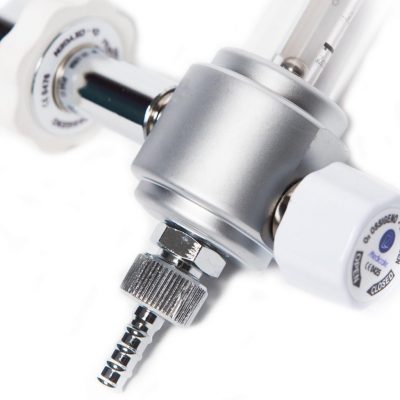
This field study was conducted in 8 hospitals (number of beds > 250). Oxygen flowmeters (TT) with Thorpe tube (range: 0 to 15 l/min) have been studied in adult units where oxygen is frequently administered (intensive care unit, emergency unit, respiratory unit, cardiology, surgery) [1] . The TT evaluated was the one routinely used in these services and assigned to the next patient requiring oxygen therapy.
First, the pressure in the local pipeline was checked. The TT was then plugged into the power outlet of an unoccupied room and placed vertically as a nurse would have done. Different gas flow rates (2 to 15 l/min) were evaluated in random order. The flow rate was set by aligning the center of the float ball with the suitable flow rate indicator line (nominal value) [10]. Each flow was measured twice and averaged for each TT. All settings and measurements were made by the same person.
Special care was taken to avoid parallax errors. Oxygen fluxes were measured with a calibrated thermal mass flow meter.
Oxygen flow was measured after stabilizing the reading for 5 seconds. Several types of TT were found during our evaluations. They were classified into two groups according to whether they were pressure compensated (PCTT: Timeter™, Caudalimeter™, RTM3™, RTM2™, Taema™) or not (NPCTT: Non-Pressure Compensated Thorpe Tube).
Results
476 oxygen flowmeters were analyzed in 8 hospitals (3 in France, 5 in Belgium) for a total of 13,328 measurements and 12 different brands of TT were found (Table 1). In both France and Belgium, pressure-compensated TT accounted for the majority of rotameters (70% and 66%, respectively). On average, the delivered flow rate matched the nominal value (NV) with a median value ranging from 94% to 100% NV depending on the flow rate considered.
On average, 35% ± 7% of flowmeters were considered inaccurate. When PCTTs were compared with NPCTTs, no statistically significant difference in median or range values was observed. The percentage of devices outside the range is acceptable according to ISO 15002 and CGA standards. At low flow rates, PCTT performed better than NPCTT, while the reverse was true at high flow rates (p < 0.05).
Conclusions
When the flow meter leaves the factory, its accuracy under standard conditions is guaranteed by the manufacturer. With time and use, its accuracy may alter, and the accuracy of the flow delivered in a hospital setting may differ from the original value. This study is the first large multicenter study evaluating the accuracy of wall-mounted oxygen flowmeters under common conditions of use. The objective of the present study was not the evaluation of any negligence, and the method used to adjust the flow rate was strictly in accordance with the manufacturer’s instructions. Our analysis shows that, on average, the oxygen flows delivered are close to the desired oxygen flow (nominal value).
Therefore, it is important to have accurate and reliable devices, especially when blood gas analysis is not directly accessible.Finally, inappropriate flow can cause logistical problems. This supply problem can be critical during out-of-hospital transport or when oxygen therapy is used to increase mobility and walking time.
Accuracy of Medical Oxygen Flowmeters: A Multicentric Field Study

Frédéric Duprez1,2,3*, Maria Barile2, Thierry Bonus2, Grégory Cuvelier3, Sandra Ollieuz2, Shahram Mashayekhi2, Alexandre Legrand1*
1Department of Physiology and Pharmacology, University of Mons, Mons, Belgium

2Intensive Care Unit, Centre Hospitalier Epicura, Hornu, Belgium

3Laboratory of Motion, Haute Ecole Condorcet, Tournai, Belgium

Email: *frederic.duprez@condorcet.be, *alexandre.legrand@umons.ac.be

Copyright © 2014 by authors and Scientific Research Publishing Inc.

This work is licensed under the Creative Commons Attribution International License (CC BY).

http://creativecommons.org/licenses/by/4.0/
The 5 medicinal gases used in hospitals
5 Common medicinal gases used in hospitals
The gases medical are essential for hospitals and health care facilities in general.
Knowing the most common types of gases, understanding how each is used, and then monitoring the systems for each gas will ensure the success of your system.
At Oxyone Medical Devices, we understand that the proper functioning of your medical gas systems is vital, so that you have no unexpected failures and have the proper equipment to do your job competently and without worry.
In this article, we will outline five types of medical gases used in hospitals:
Medical air: Used in intensive care and neonatal intensive care areas. Medical air is supplied by a specific air compressor to patient care areas.
Oxygen: Oxygen is the medical gas required in every healthcare setting and is used for resuscitation and inhalation therapy.
Carbon dioxide: Used for less invasive surgery
Nitrogen: A medical support gas used mainly to power surgical instruments and other equipment.
Nitrous oxide: A medicinal gas is used in many surgical procedures as both an anesthetic and analgesic.
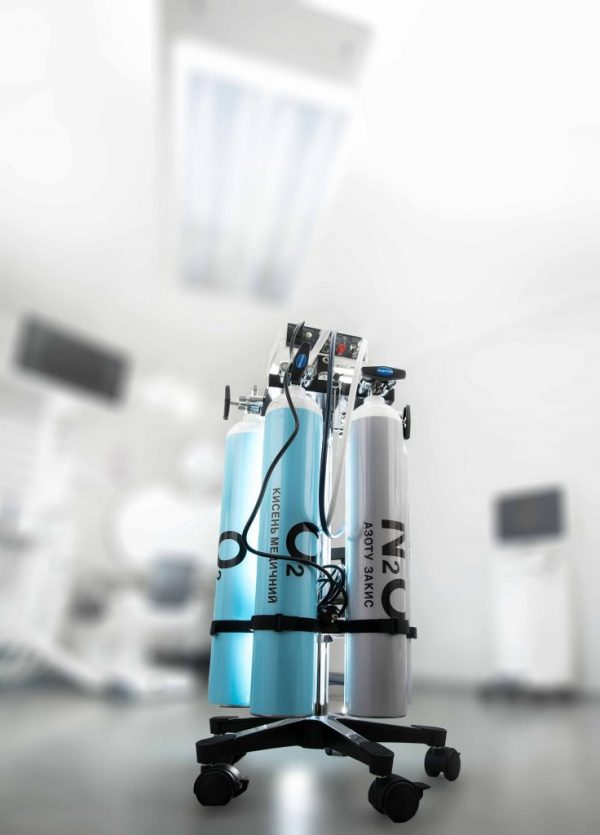
In medical facilities, each gas is supplied by a separate system designed for specific gases.
Gases are supplied from their central supply source through a network of pipelines. Some gases can be supplied in cylinders.
While vacuum, medical air and instrument air are generated locally in most hospitals, a smaller volume may come through a gas system piped into cylinders connected to a manifold. Normally hospitals have nitrogen, nitrous oxide and sometimes carbon dioxide produced through a manifold.
Medical Air
refers to a clean supply of compressed air used in hospitals and health care facilities for breathing patients. It is free of contamination and particles, has no oil or odor, and is dry to prevent water accumulation in the facility’s plumbing.
When a patient is in the operating room, whether it is an emergency or not, a surgeon relies on medical air to keep the patient comfortable and breathing. Medical air sources are connected only to the medical air distribution system.
Oxygen
Oxygen is a medicinal gas found in virtually every healthcare setting and is used for resuscitation and inhalation therapy. It was introduced in the early 1900s. It is used for medical conditions such as cyanosis, shock, severe bleeding, carbon monoxide poisoning, trauma, cardiovascular and respiratory arrest, resuscitation, and life support.
Oxygen cylinders are defined by their color, green label, and unique gas-specific connection fitting. They can be connected to a manifold and then to a main alarm and control valves and pressure gauges. Some organizations use small liquid oxygen cylinders, commonly called dewars, or larger cyrogenic cylinders.
Carbon Dioxide
is used to insufflate patients by blowing into the body cavity for less invasive surgeries such as laparoscopy, arthroscopy, endoscopy, and cryotherapy. It is used to widen and stabilize the body cavity for greater visibility and access to surgical areas.
It can also provide respiratory stimulation when mixed with oxygen, during and after anesthesia administration.
Finally, it can also be used for cryotherapy, where temperatures of -76°C can be reached. Carbon dioxide (CO2) is an odorless, colorless gas. CO2 may be piped into large hospitals, but it is more likely to come from a reservoir.
Nitrogen
as a gas is used to power instruments in places where instrumental air is not available. In fact, it is most commonly used to support gas in a structure. It can come from a cylinder manifold and is piped under pressure with an alarm system to the source and place of use.
Nitrogen Protoxide
is a variant of nitrogen: when mixed with oxygen, it acts as an anesthetic agent.
Nitrous oxide is a medicinal gas commonly known as “laughing gas,” and dentists began using it as an analgesic in 1812. Since then, this medicinal gas has been used in numerous surgical procedures as both an anesthetic and analgesic.
As a medical gas, it is still used in operating rooms.
Regular inspection of facilities
Medical gas facilities must be inspected regularly, not only because they are critical to patient well-being, but also because such inspections can make the difference between financial success or failure. It is necessary to provide facility technicians with information on repair, maintenance, and operation to keep medical gas systems safe and economical.
Like other medical products, medical gas must have a marketing authorization (product license) to be sold. Equipment must have a CE marking to indicate that it complies with the Medical Device Directive.