Improve the care of patients thanks to the innovative hospital care units
Améliorer les soins aux patients grâce à des unités innovantes de tête de lit d'hôpital
Les environnements hospitaliers évoluent constamment pour répondre aux besoins divers et complexes des soins aux patients. Improve the care of patients thanks to the innovative hospital care units. In the heart of this evolution you will find the lit heads of the household items, here they are more suitable than simple accessories; They are often left with a central role in the improvement of products for patients thanks to their conception, their integrated technology and their specialisation. Voyons comment on these elements influencing the experience of patients and the clinical results.
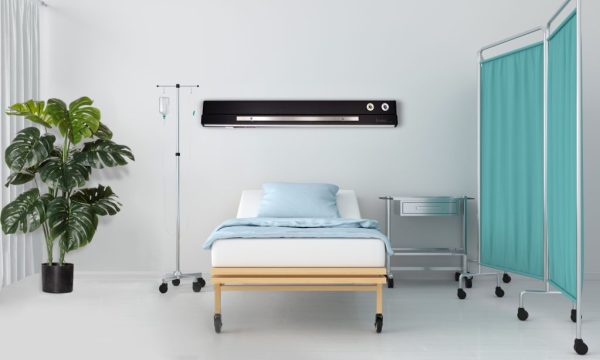
Ergonomic conception: A cornerstone for interaction between the patient and the patient
The conception of the headboards is not a question of aesthetics, but also of ergonomics and functionality. A well-conceived text allows for effortless interaction between patients and familiar personnel. Improve the care of patients thanks to the innovative hospital care units. Facilitates access to medical equipment and commands, minimizing the limitations and improving the effectiveness of the treatments for patients. For example, the ergonomic headrests are suitable for adapting to different positions so that a patient can be easily adjusted in the sitting or lying position with the built-in controls at the main door.
However, ergonomics plays a crucial role in the health of sleepers. The infirmières and the doctors work often for long hours and effectuent the demanding physical tasks. The strategic placement of prizes, ports and commands on the lit heads can considerably reduce the need to drop or remove them uselessly, also reducing the risks of blessures placed on the job.
Intégrée technologies: The life line of modern medical products
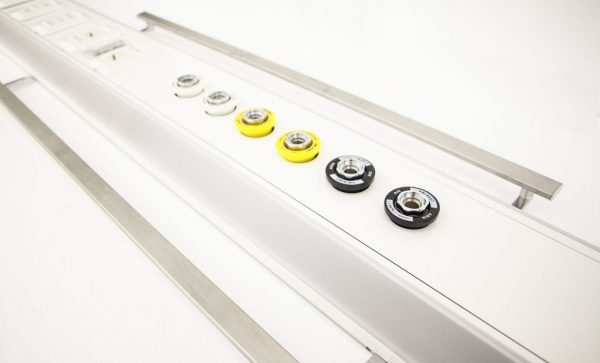
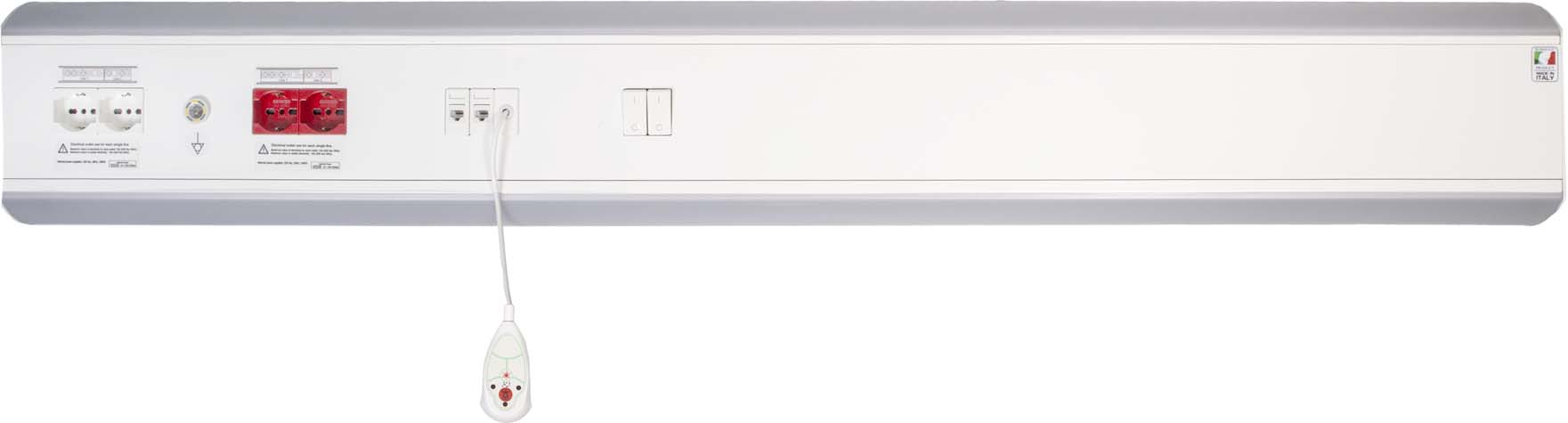
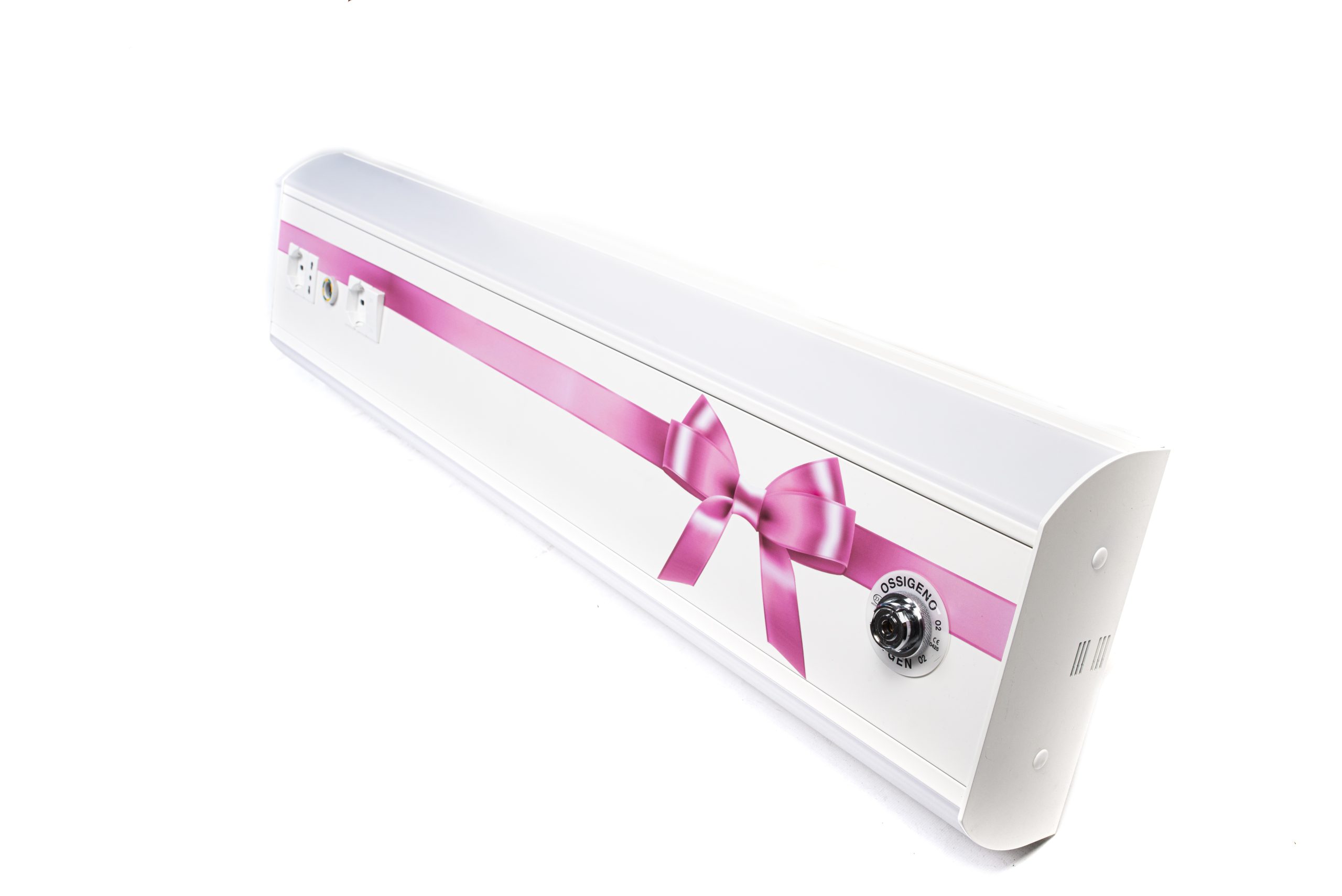
This is the era of numeracy, the integration of technology into the literature of the home changes women. The modern lit heads are equipped with integrated electrical sockets, USB ports and gas terminals for medical air and video, which are essential to the function of the saving devices. The British also les commandes des dossiers médicaux électroniques (DME) et de la télémétrie, ce qui permet une surveillance et une collection de women sans faille.
This integration is crucial in the systems that are designed for which time and precision are essential. Central to all the necessary technological functions, health care providers can respond more quickly and more effectively to the needs of patients, which can considerably improve the results.
Furthermore, the integration of technology facilitates medical capabilities, allowing remote consultations, which are more and more important in the management of patients’ products in periods of high demand or epidemics of infectious diseases.
L'affaire
Specialization for medical services: Response to unique needs of each patient
The different medical services ont des différents besoins et les tetes de lit des hôpitaux reflect this diversity. In the intensive care units (USI), for example, the lit tests are often more complex and involve a multitude of ports and surveillance equipment for seriously ill patients. On the other hand, on a mother’s day, the lit head can be simplified to facilitate use, with more than two times clearing of medical gas.
The lit heads for children may feature a sympathetic design with cheerful colors to create a pleasant environment for young patients. Furthermore, they may be equipped with safety devices such as prizes and inviolable commands to avoid any accidental abusive use.
The adaptation to the needs of patients is crucial. For obese patients, the headset should be more robust and include additional supplementary functions, so that patients with long-term medications will benefit from greater comfort and accessibility to different therapies and treatments.
Conclusion : Le cœur de l'innovation hospitalière
The head lamps of the hosts have transcended their role in tradition and are becoming a central element in the performance of personal, effective and technologically integrated products. Thanks to a reflective ergonomic conception, the integration of point technologies and a special personalization for different medical domains, they are the heart of hospital innovation – transforming the way in which people interact with patients and improve the environment of their products.
Even as the health care products continue to progress, the evolution of hospital care products plays a role in the definition of the future of health care products for patients, making them more effective and more adapted to the unique needs of each patient.