In the healthcare sector, the reliable and safe distribution of medical gases is crucial for effective patient treatment. Medical gas systems in Hospitals are designed to deliver vital gases such as oxygen, nitrogen, nitrous oxide, and compressed air directly to points of use, such as patient rooms, operating rooms, and intensive care units. For a company like Oxyone Medical Devices , specializing in high-quality medical devices, providing efficient and safe medical gas systems is a top priority.
What are Medical Gas Systems?
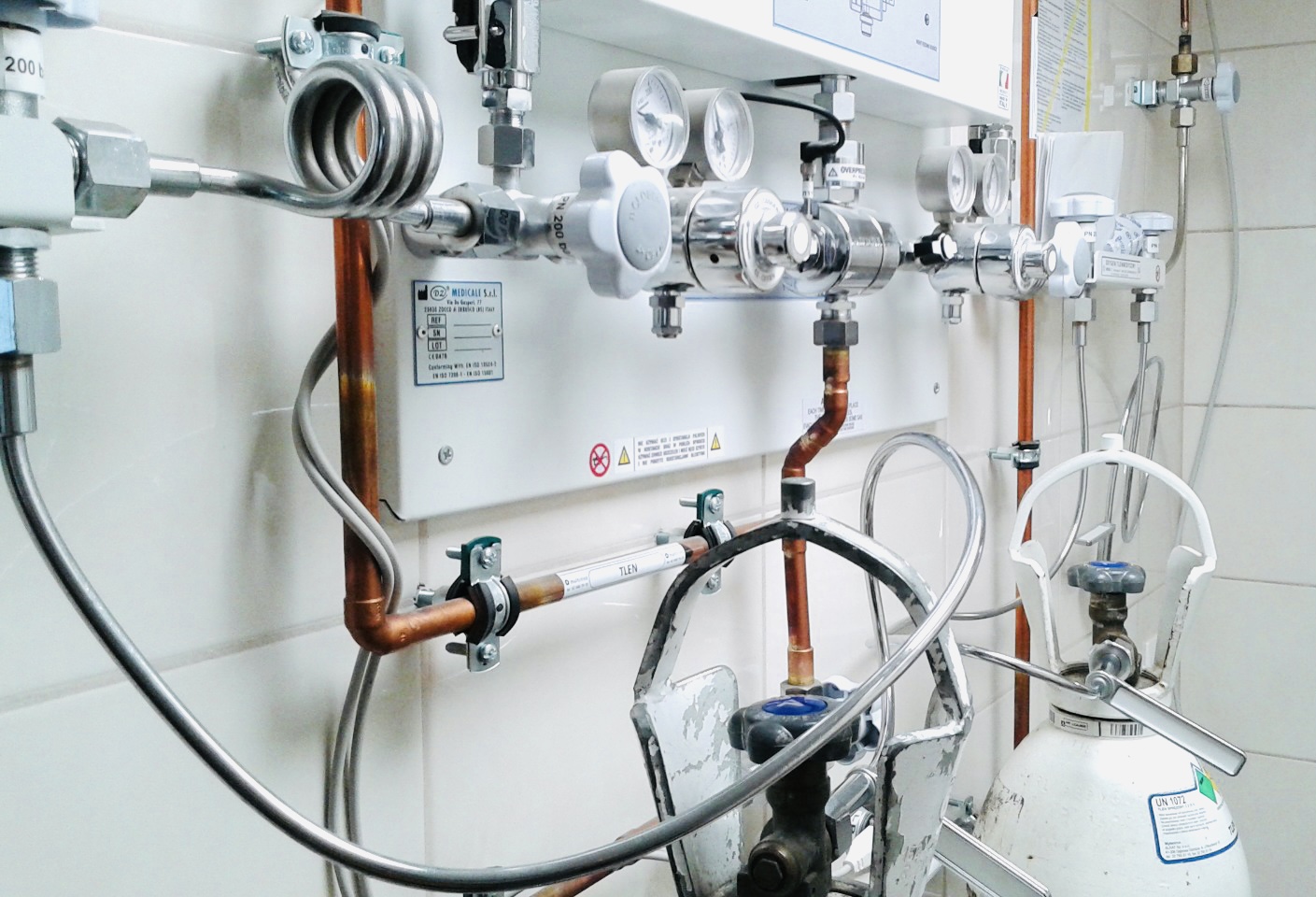
Medical gas systems are complex networks of pipes, valves, regulators, and monitoring devices designed to distribute medical gases to various areas of a hospital. These systems ensure that the necessary gases are always available, at the right pressure and purity, to support patients’ clinical and therapeutic needs.
Importance of Medical Gas Systems Hospital
Medical gas systems are essential for several reasons:
- Continuity of Care : They ensure a constant supply of essential gases, avoiding interruptions that could compromise patient care.
- Safety : Well-designed and maintained systems reduce the risk of gas leaks, contamination, and other problems that could jeopardize the safety of patients and staff.
- Operational Safety and Efficiency : They automate gas distribution, reducing the need for mobile gas cylinders and improving the hospital’s operational efficiency.
- Regulatory Compliance : Ensures that the hospital complies with healthcare regulations and standards regarding the management and use of medical gases.
Components of Medical Gas Systems
A medical gas system includes several critical components:
- Gas Reserves : Cylinders and tanks that contain medical gases.
- Regulation and Control Units : Pressure regulators, safety valves and monitoring systems that ensure the correct flow and pressure of gases.
- Piping : Networks of pipes made of corrosion-resistant materials that transport gases from tanks to areas of use.
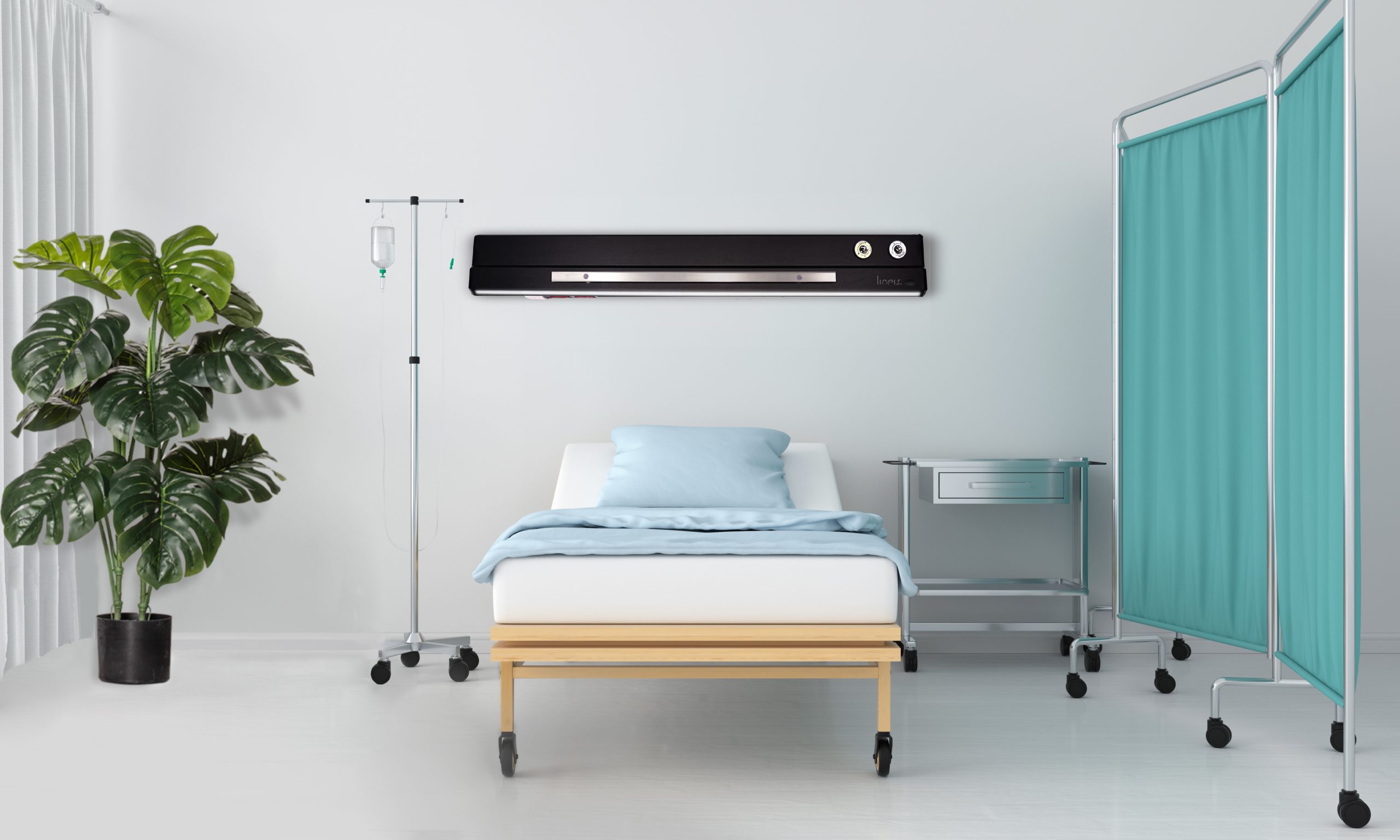
- Delivery Points : Strategically placed outlets in operating rooms, intensive care units and patient rooms for gas delivery.